Psalm 84:5-7
*The Shared Wellspring:*
_Abrahamic Monotheism and the Tragedy of Unnecessary Bloodshed_
For centuries, the theological boundaries separating Judaism, Christianity, and Islam have been fiercely guarded, often at the cost of human life. Yet, beneath the surface of dogmatic divergence lies a profound, shared spiritual geography. A striking convergence exists between the Hebrew Scriptures and Islamic tradition, specifically through the imagery of Psalm 84 and the sacred topography of Mecca. By examining our shared reverence for Abraham, the universal archetype of the "Valley of Weeping," and the structural parallels of our faith narratives, it becomes clear that the violence plaguing the children of Abraham is not a mandate of divine decree, but a tragic failure of human empathy.
_The Geography of Weeping_ :
Baca and Bakkah
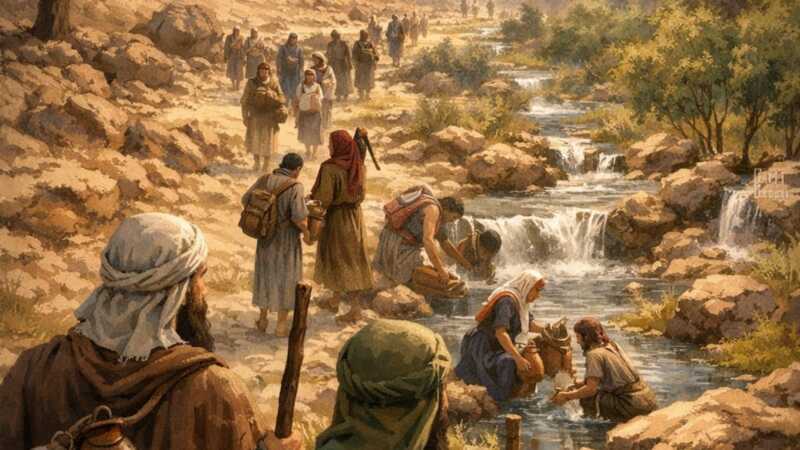
The spiritual landscape of the Abrahamic faiths is anchored in a transition from desolation to divine abundance. In the Hebrew psalter, Psalm 84 speaks of the spiritual pilgrim who, passing through the Valley of Baca (the Valley of Weeping), miraculously transforms it into a place of springs. This linguistic and thematic resonance finds an undeniable mirror in the Quranic designation of Mecca as Bakkah.
This is not mere linguistic coincidence; it is a shared memory of the same sacred event. It is the valley where Hagar ran between the hills of Safa and Marwah, seeking sustenance for her dying child, Ishmael. The subsequent bursting forth of the Zamzam well, a source of living water that has sustained millions of pilgrims for millennia, parallels the biblical account in Genesis, where God hears the cry of the boy in the wilderness of Beer-sheba.
Both traditions testify to the same theological reality: a compassionate Creator who responds to human desperation with miraculous relief. The water that sustains the Muslim pilgrim today flows from the very same mercy recognized by Jews and Christians.
The Pilgrimage and the Paradigm of Submission
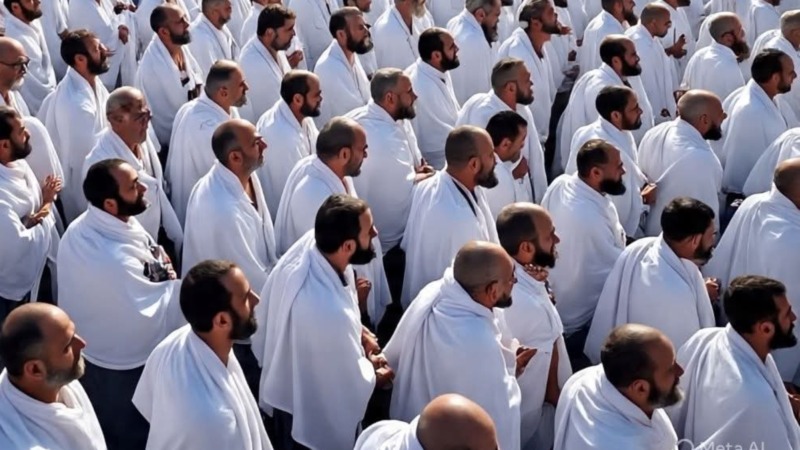
The rites of the Hajj are fundamentally Abrahamic rather than exclusively Islamic. Every core ritual of this pilgrimage acts as a living monument to a shared ancestry:
Circumambulating the Kaaba honors the first house dedicated to the absolute unity of God.
The traversal between Safa and Marwah reenacts Hagar’s desperate maternal faith.
The assembly at Arafat mirrors the universal human need for repentance, echoing the primordial seeking of divine forgiveness.
Furthermore, the central trial of Abraham’s life, the binding of his son, serves as the ultimate paradigm of devotion across all three faiths. While theological disputes persist over whether Isaac or Ishmael was placed upon the altar, the moral core of the narrative remains identical. The essence of the account lies not in the identity of the child, but in the absolute submission of the parent and the subsequent intervention of divine mercy.
_A Shared Narrative of Devotion_
The Quran (37:103): "When they had both submitted and he put him down upon his forehead..."
The Torah (Genesis 22:12): "Do not lay your hand on the boy... because you have not withheld your son, your only son, from Me."
To slaughter one another over the name of the son is to profoundly misunderstand the lesson of the altar. The narrative was given to teach the surrender of human ego to the Divine, not to justify the eradication of the brother.
_The Divine Intimacy__ : Khalilullah
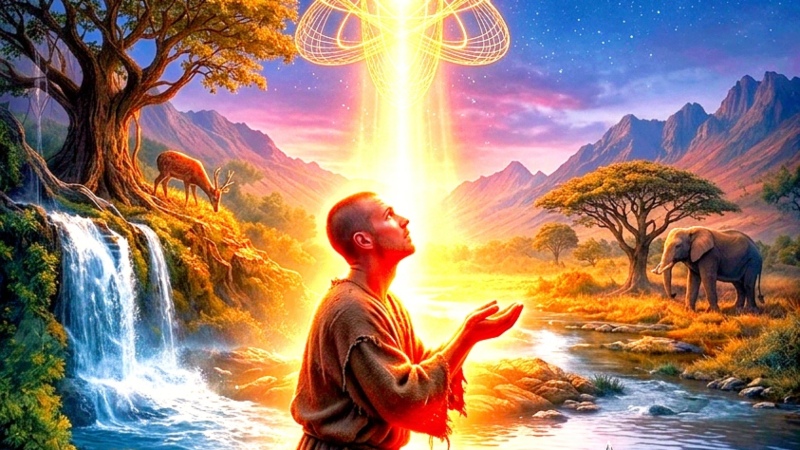
The ultimate common ground among the People of the Book is found in the unique status accorded to Abraham. He is universally recognized not merely as a prophet or a patriarch, but as Khalilullah "the Friend of God."
This shared title signifies an intimacy that transcends rigid dogma and political borders. The foundational figure of all three expressions of monotheism was characterized by a relationship of profound trust and vulnerability with the Almighty. It is this very friendship that established the lineage of faith from which Judaism, Christianity, and Islam emerge.
Conclusion: A Plea for Shared Pilgrimage
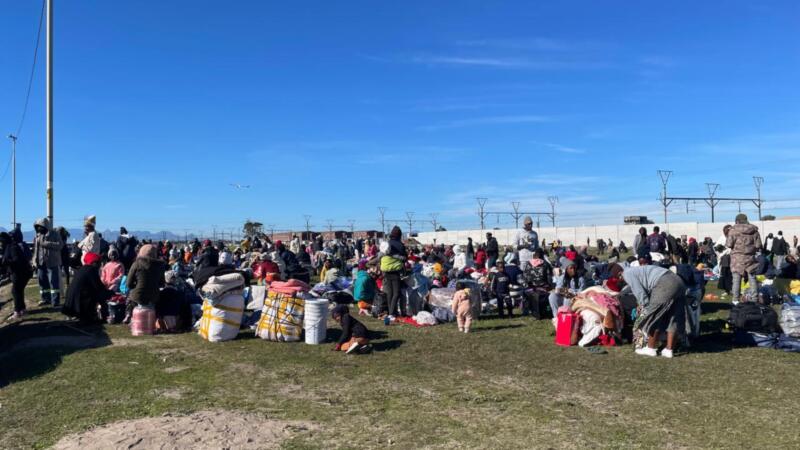
The ongoing bloodshed among Muslims, Jews, and Christians is a devastating paradox. We confess the same single Deity, revere the same patriarch, draw hope from the same narratives of redemption, and value the transformative power of repentance. Yet, the land of Abraham remains chronically soaked not with the tears of pilgrims, but with the blood of conflict.
This tragedy persists because we have consistently elevated sectarian pride above the humility modeled by our shared father. We have weaponized the particulars of our dogmas while discarding the universal commands of compassion and justice that form their bedrock.
The violence is not an inevitability of our faiths; it is a manifestation of our human failures. If the children of Abraham are to find peace, we must learn to recognize one another not as theological adversaries, but as fellow travelers through the Valley of Weeping. Only when we choose to weep together for our shared brokenness can we hope to see our common valleys transformed once again into springs of living water.
This discussion piece is inspired by Psalm 84: 5-7
_"Blessed are those whose strength is in you, whose hearts are set on pilgrimage. As they pass through the Valley of Baka, they make it a place of springs; the autumn rains also cover it with pools. They go from strength to strength, till each appears before God_ "
Imraahn Mukaddam
28 May 2026