The Plain of Arafat:
A Manifesto of Equality
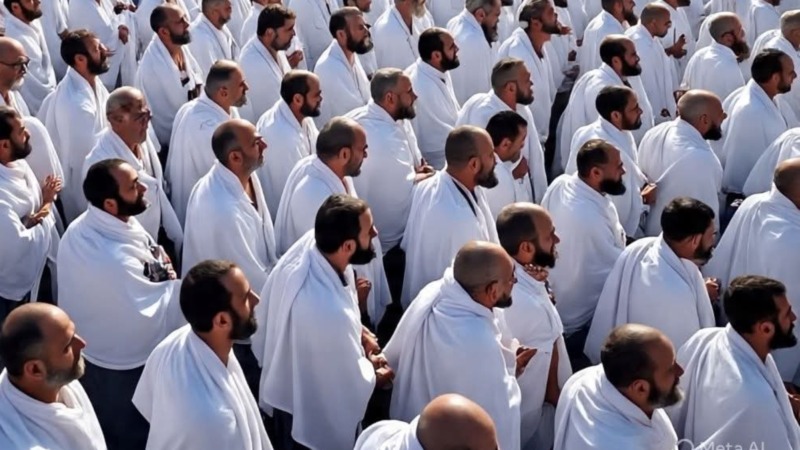
The plain of Arafat stretches vast and unadorned. Millions gather here, stripped of every marker the world uses to enforce hierarchy. No silk, no crowns, no uniforms, only two white, unsewn sheets. The billionaire stands flush against the laborer; the statesman prays beside the refugee.
This is the foundational political statement of Hajj: human equality is not a rhetorical slogan, but a divine decree. Yet, a troubling modern narrative suggests that Hajj should remain purely spiritual, detached from the struggles of the world. To demand that pilgrims remain silent on injustice misinterprets the very essence of Islam. A faith that provides blueprints for governance, economics, and resistance against tyranny cannot suddenly suspend those concerns at its greatest gathering. Hajj is not an escape from reality; it is the ultimate realignment with truth.
The Farewell Sermon: A Civilization's Constitution
The Prophet Muhammad’s Farewell Khutbah, delivered from this very plain, was not a sermon on private piety. It was a revolutionary manifesto for a new human civilization. On that day, he codified a moral constitution, Radical Equality, The absolute abolition of racism and tribal supremacy. Inviolable Rights: The sacred protection of human life, wealth, and honor.
Economic Justice: The total prohibition of usury and systemic exploitation. Systemic Peace: The termination of blood-feuds and generational vengeance. These are political issues in the deepest sense. Politics governs the distribution of justice and the protection of rights. By addressing oppression, racism, and economic tyranny, the Prophet explicitly designed Hajj to be the annual foundational convention of human dignity.
Tawhid: The Overthrow of Earthly Sovereignty
At the heart of Arafat is a deceptively simple declaration: Lā ilāha illā Allāh wahdahu lā sharīka lah, lahu al-mulk wa lahu al-ḥamd, wa huwa ʿalā kulli shay’in qadīr. This supplication is an intellectual and spiritual coup d'état against tyranny: Lahu al-mulk (Sovereignty belongs to Him alone): No dictator, colonial power, or corporate empire holds ultimate authority. Lahu al-ḥamd (All praise belongs to Him alone): No human institution deserves uncritical obedience or blind loyalty. Wa huwa ʿalā kulli shay’in qadīr (He has power over all things): The believer is liberated from both despair in weakness and arrogance in strength. To utter these words while bowing to tyranny or remaining silent before oppression reduces a cosmic declaration of freedom into a hollow ritual.
The Rituals as Revolutionary Enactments Hajj is a sacred drama where the pilgrim does not merely observe history, they enact it. Each ritual is a rehearsal for liberation:
The Human Vortex:
Tawaf Circumambulating the Kaaba is not walking in circles; it is joining a human vortex where the individual ego dissolves into the collective movement of the Ummah. The Kaaba is a direction (Qiblah), not a destination, pointing humanity toward a shared purpose of divine justice.
The Spirit of Resilience:
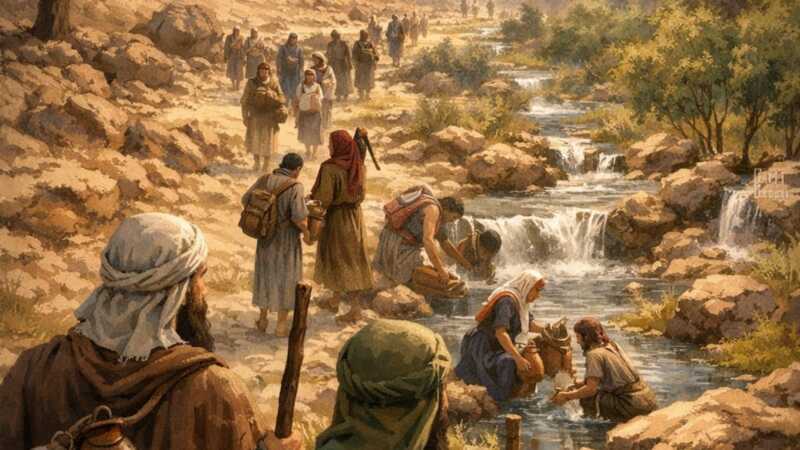
Sa'i Running between Safa and Marwa immortalizes Hagar alone in the desert, refusing to yield to despair. It honors the absolute necessity of struggle, effort, and resilience in the face of structural abandonment.
The Rehearsal of Defiance: Ramy al-Jamarat Stoning the pillars at Mina is a physical manifestation of resistance. Historically and sociologically, these pillars represent the triadic engine of human oppression: